Comprehensive Solutions for Safe, Reliable Pipeline Operations

We understand the critical role pipeline integrity plays in your operations—and deliver advanced inspection and assessment services that support safety, compliance, and long-term performance.

From direct assessment programs and corrosion evaluation to advanced NDT technologies and data-driven analysis, our team provides the insights needed to identify anomalies early, reduce risk, and extend the lifecycle of your pipeline assets.

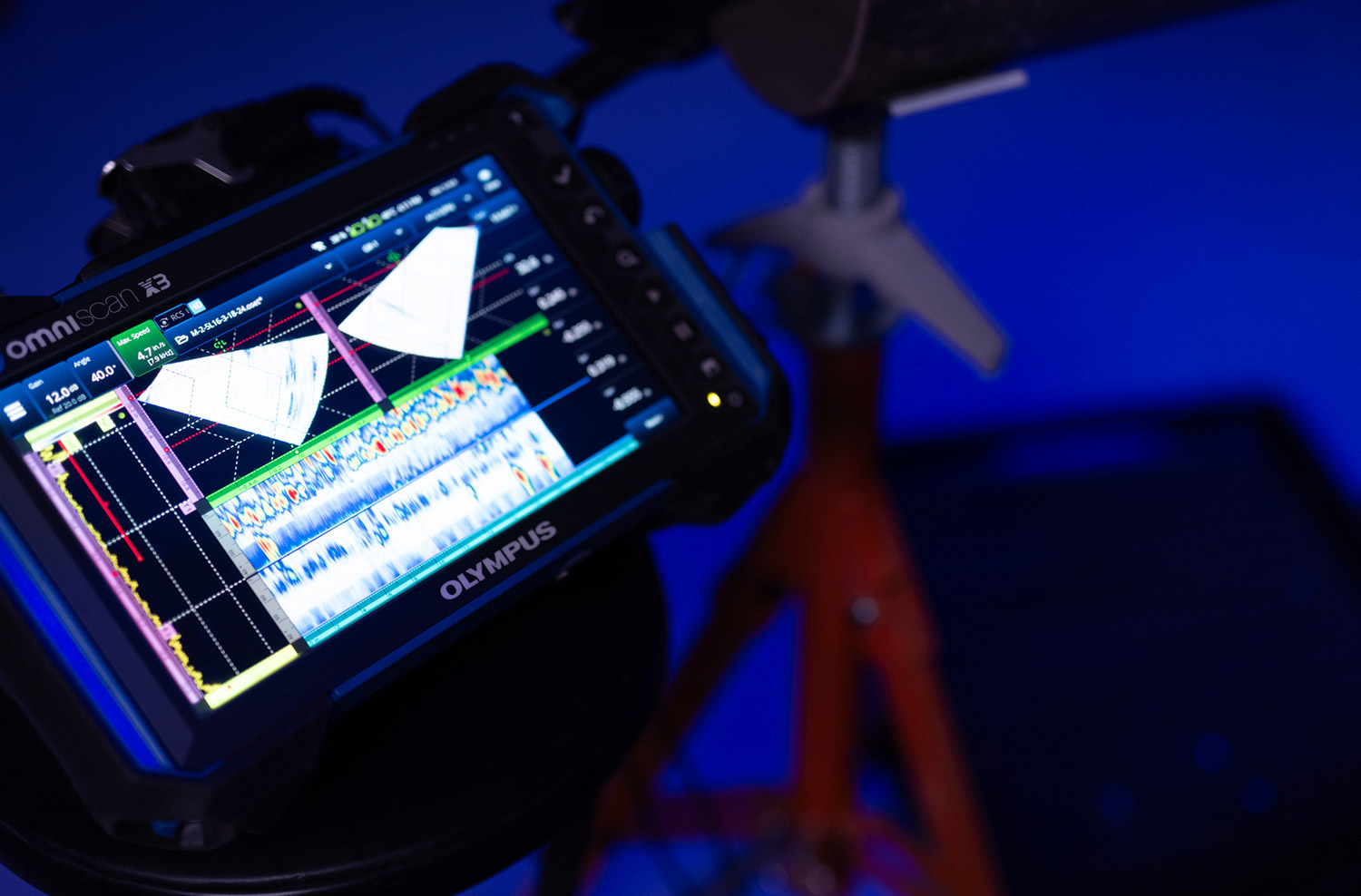
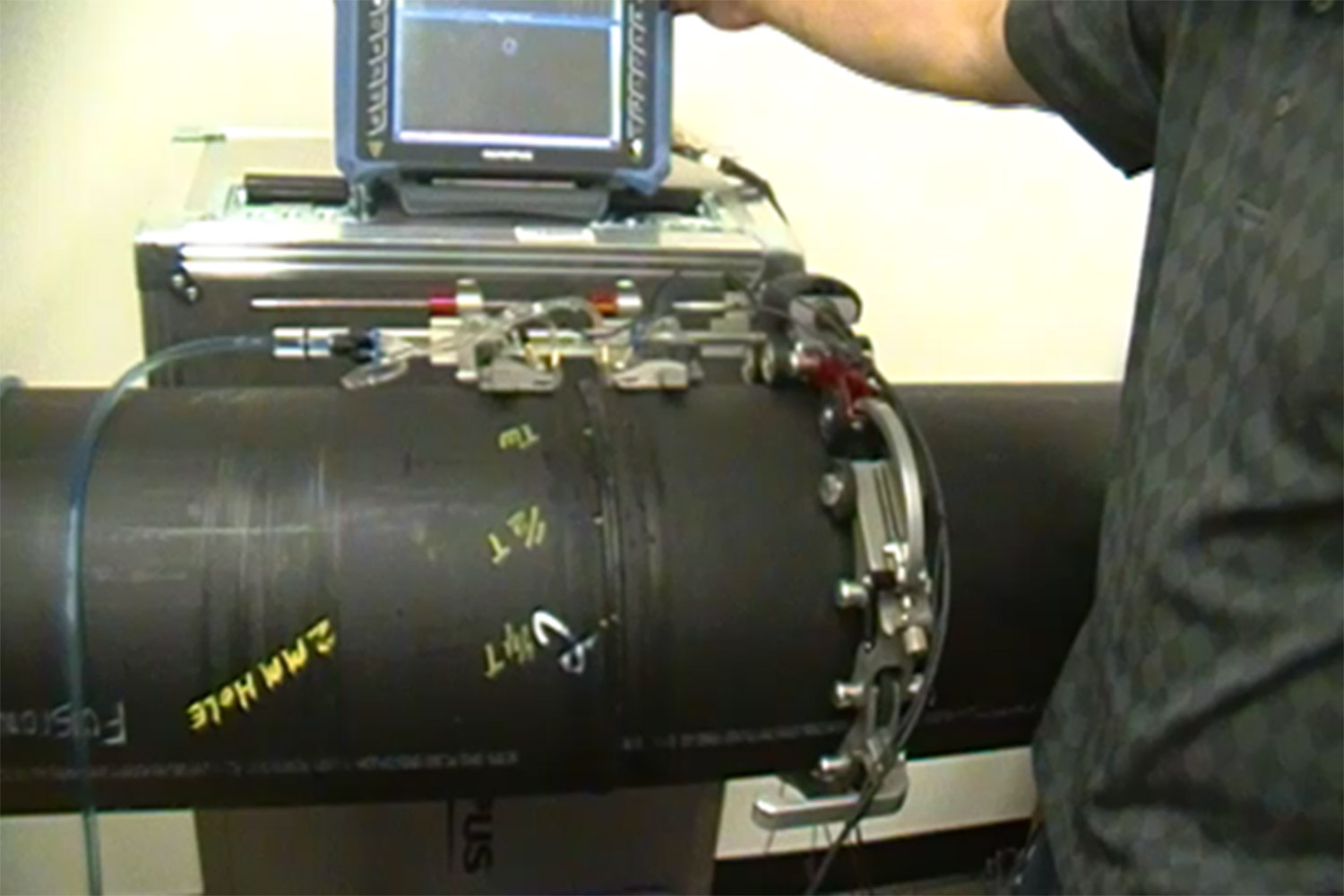
Ultrasonic Shearwave Testing (UTSW)

Ultrasonic Shearwave Testing (UTSW) is a critical inspection method for pipeline integrity and direct assessment programs, providing accurate detection and characterization of surface and subsurface flaws. Performed by experienced NDT Level III personnel and in accordance with ASME Code requirements, UTSW supports safe, reliable operation of piping systems and fabrication facilities.
Read More
This technique uses high-frequency shear waves to identify, measure, and evaluate discontinuities, making it highly effective for weld inspection and flaw characterization.

Applications:

  • Weld evaluation
  • Detection and characterization of internal corrosion and pitting
  • Identification of mill-related defects such as inclusions and lack of fusion
  • Long seam evaluation
  • Stress Corrosion Cracking (SCC) assessment
Read Less

Laser Mapping

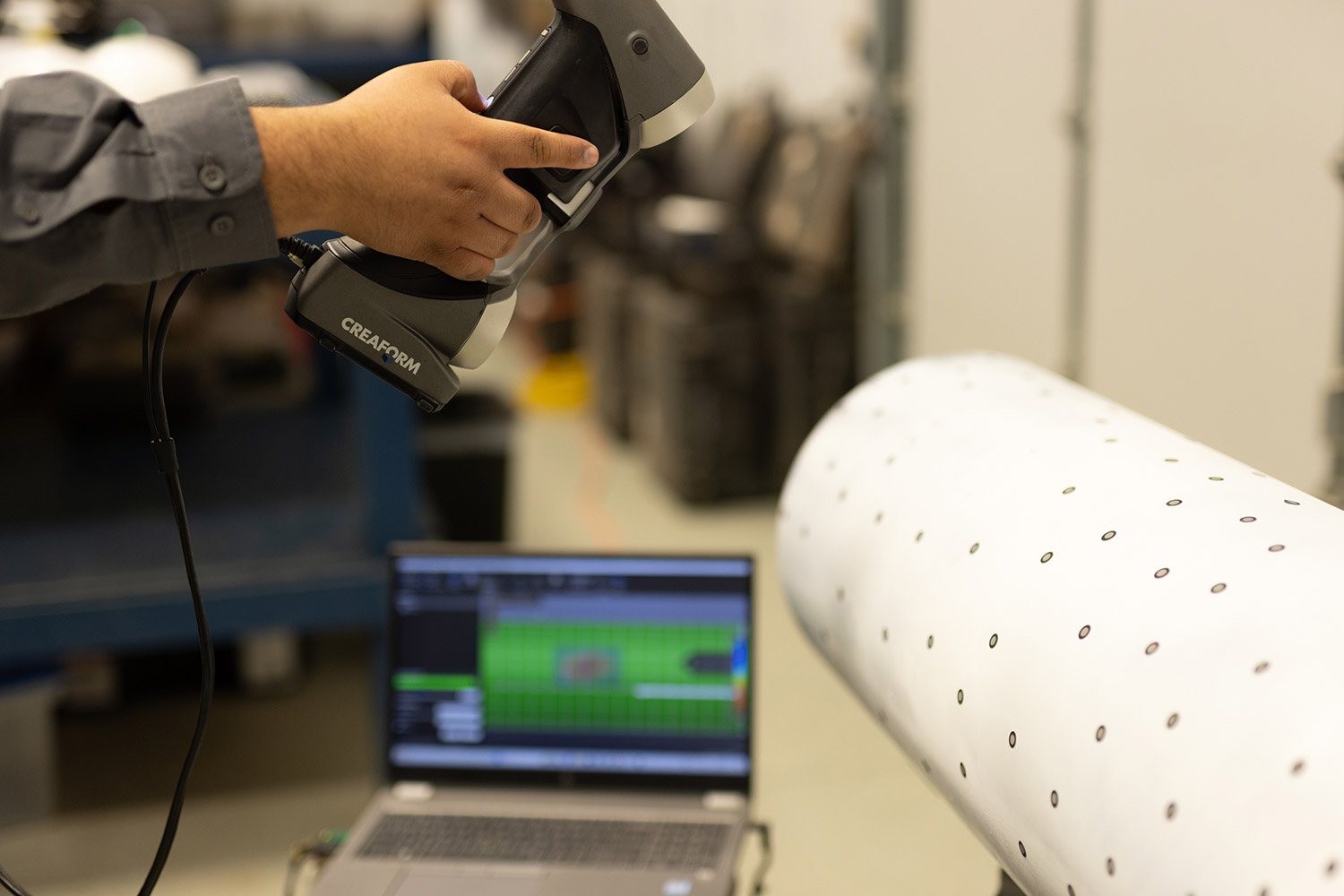
Laser Mapping utilizes advanced 3D scanning technology to capture precise surface geometry and evaluate mechanical damage such as dents, gouges, and deformation in pipelines and critical assets. Combined with tools like the Creaform system and Pipecheck software, this method delivers highly accurate measurements and detailed visualizations to support integrity assessments and compliance with ASME Code requirements.
→ Read More

Material Verifications

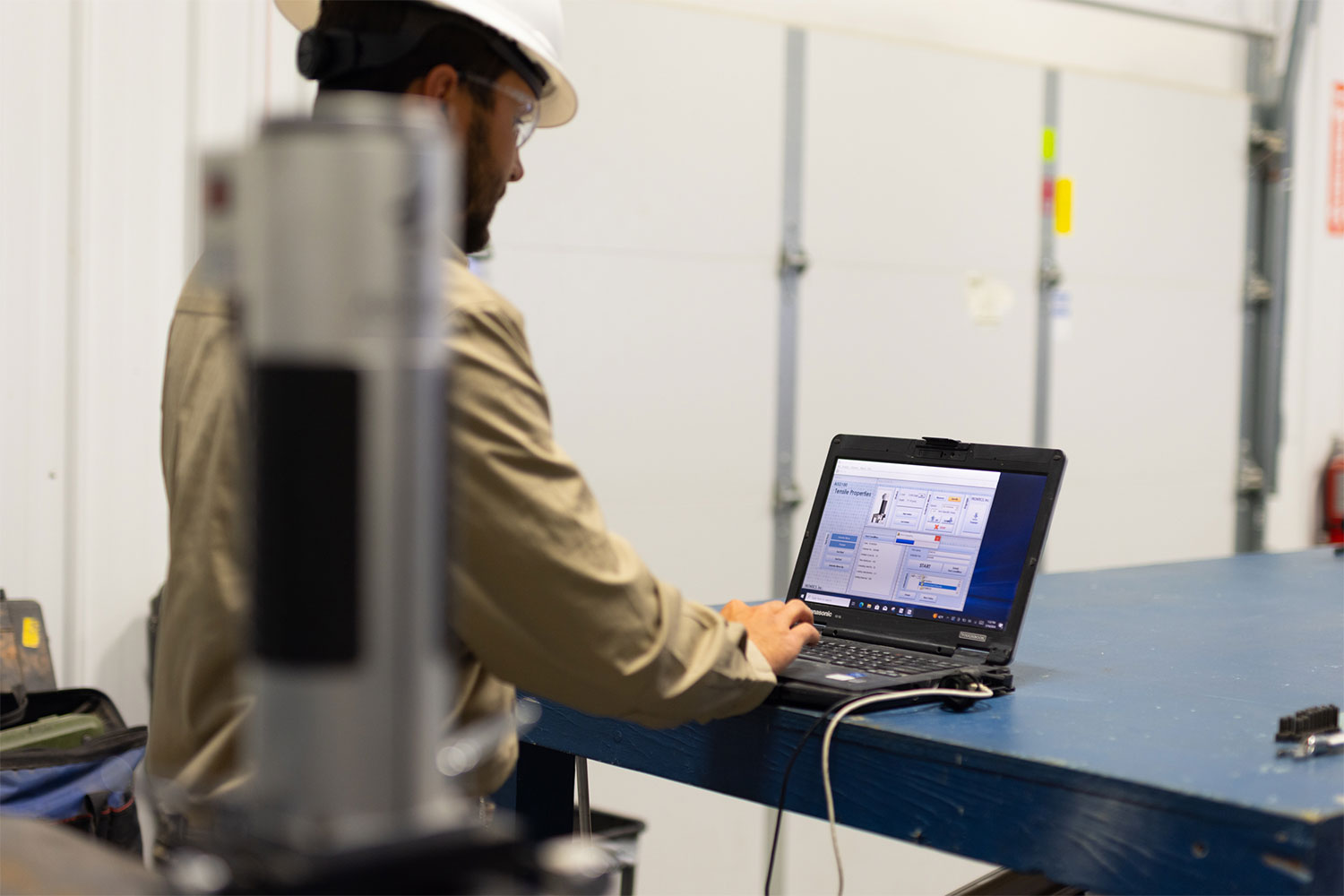
Materials Verification supports pipeline integrity programs by quantitatively evaluating mechanical properties and material performance in the field. Utilizing advanced portable testing technologies—including hardness testing, instrumented indentation, and in-situ mechanical assessment methods—these services help verify strength, identify material anomalies, and support fitness-for-service decisions across operating assets.
Read More
This approach focuses on validating mechanical properties without destructive sampling, providing reliable insight into material condition and performance. Techniques such as hardness testing and advanced indentation-based methods (commonly deployed through systems like MMT, Plastometrex, and Frontics technologies) enable estimation of yield strength, tensile properties, and overall material behavior directly in the field.

Applications:

  • Verification of material strength and mechanical properties
  • Identification of material inconsistencies and degradation
  • Support for Engineering Critical Assessments (ECA) and Fitness-for-Service (FFS)
  • Validation of legacy or undocumented materials
  • Assessment of in-service components without destructive testing

Services Include:

  • Hardness Testing
  • In-Situ Strength Testing
  • Mechanical Property Verification
  • Material Behavior Analysis
Read Less

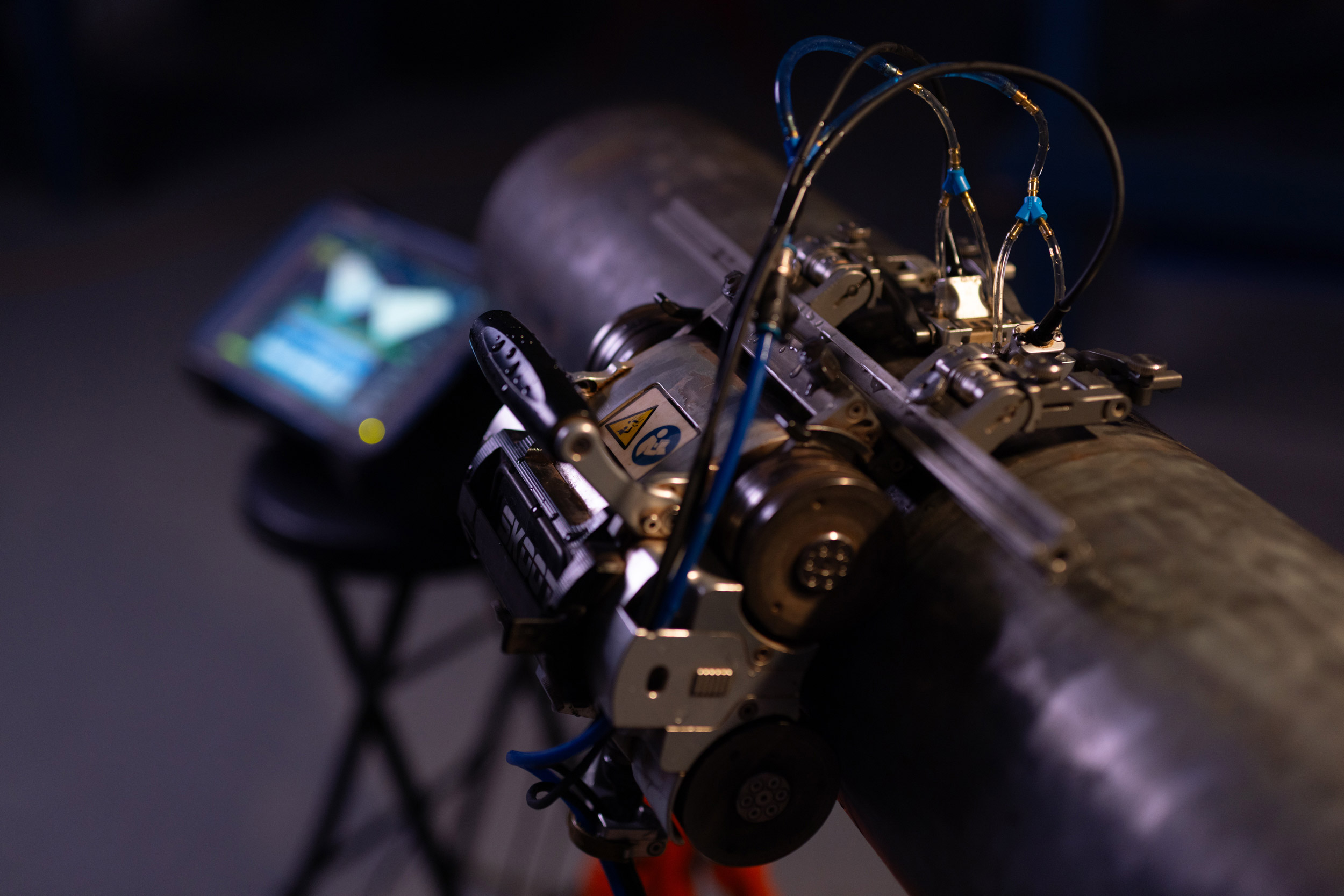
Ultrasonic Thickness Testing (UT Thickness)

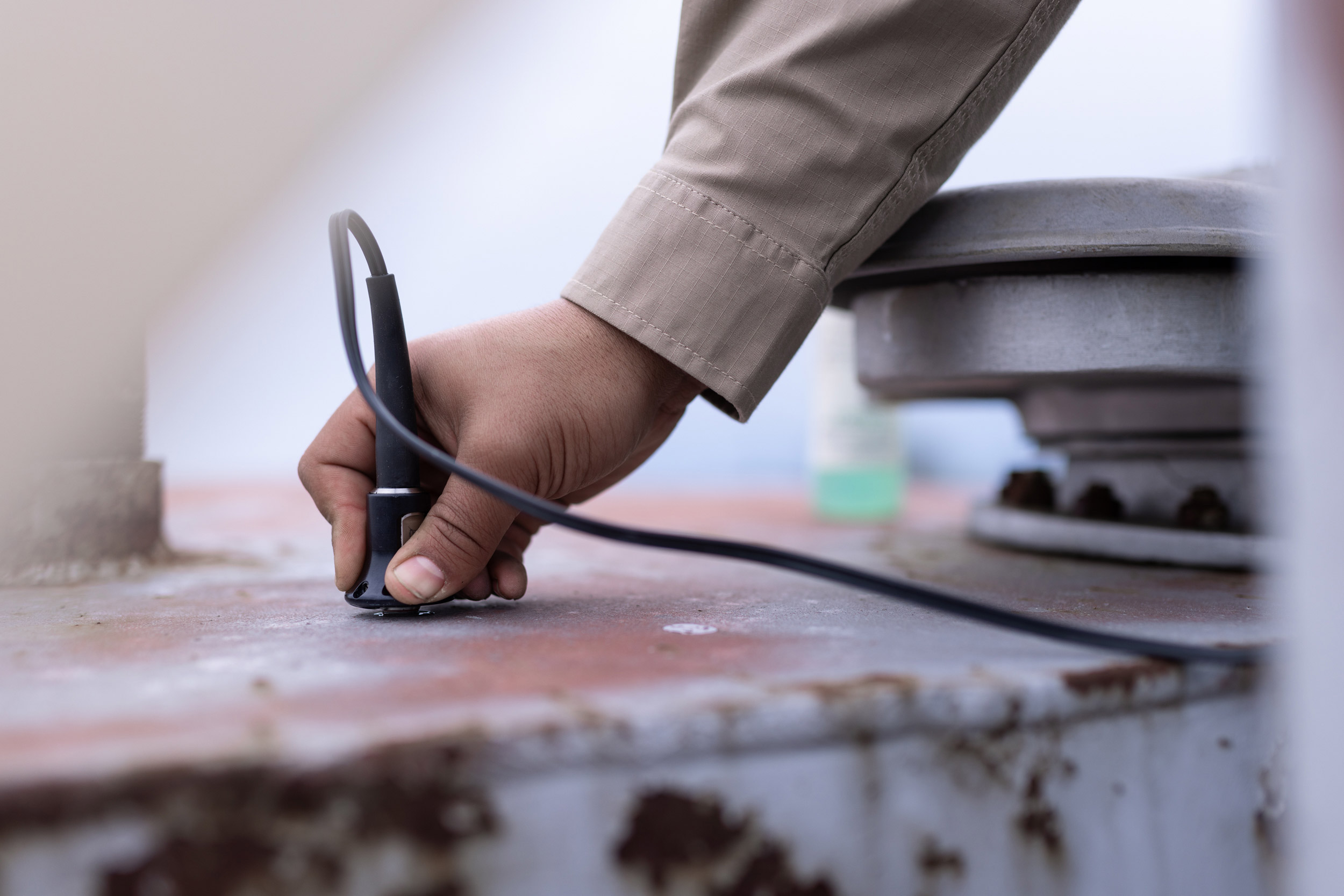
 Ultrasonic Thickness Testing utilizes straight beam and related ultrasonic techniques to measure material thickness and assess internal conditions using sound energy. This method provides accurate, reliable data for evaluating corrosion, erosion, and overall material integrity, supporting compliance with ASME Code requirements and critical inspection programs
→ Read More

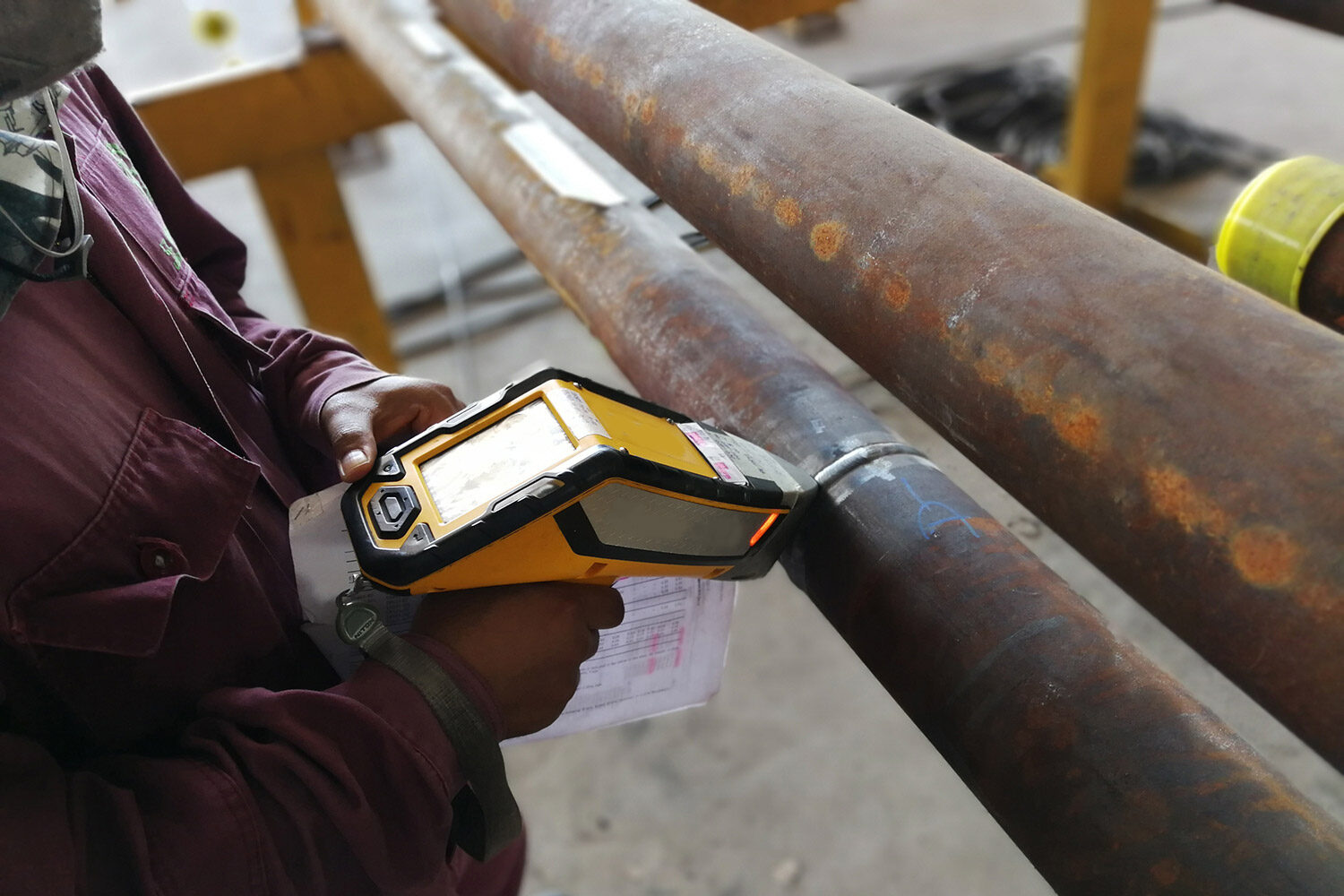
AUT Corrosion Mapping

 AUT Corrosion Mapping provides detailed, high-resolution data on wall loss, surface topography, and remaining thickness in pipelines and critical assets. Using advanced automated ultrasonic techniques, this method delivers highly repeatable, encoded data to support long-term integrity management and inspection planning.
→ Read More

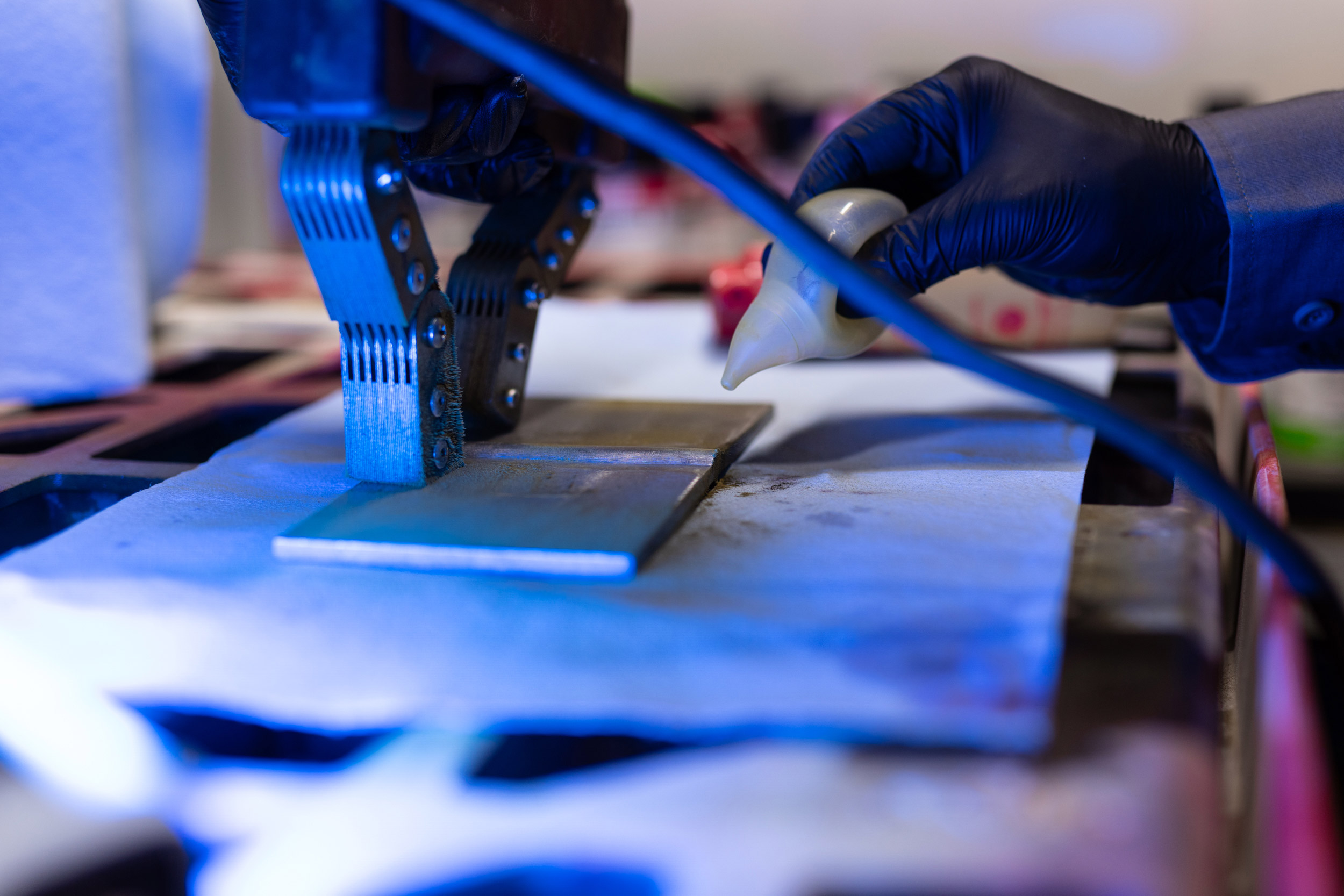
Positive Material Identification (PMI)

Positive Material Identification (PMI) is extensively used to sort and identify materials and fittings, ensuring their fitness for purpose. This method analyzes the chemical composition of metals and alloys, playing a vital role in production and asset integrity management programs across industries such as oil and gas, power, petrochemical, nuclear, and fabrication.

→ Read More

Magnetic Particle Testing (MPT)

Magnetic Particle Testing (MPT) is a highly effective method for detecting surface and near-surface discontinuities, including stress corrosion cracking (SCC), during pipeline direct assessment activities. Using techniques such as the black-on-white method with an AC yoke, MPT provides reliable identification of suspect areas in critical assets.
Read More
As part of NDT and inspection services, this method supports pipeline integrity by delivering accurate, efficient detection while maintaining compliance with ASME Code requirements.

Capabilities:

  • Detection of surface and near-surface discontinuities, including SCC
  • Black-on-white inspection method for enhanced visibility of indications
  • Use of AC yoke for effective magnetic field application
  • Support for pipeline direct assessment programs
  • Inspection aligned with ASME Code requirements
Read Less

Coating Inspection

Coating inspection is a critical visual assessment performed during pipeline exposure to evaluate the condition and effectiveness of protective coatings. As the first line of defense against external corrosion, coatings work in conjunction with cathodic protection (CP) systems to maintain pipeline integrity and prevent degradation.
Read More
XCEL’s trained technicians conduct detailed inspections to identify coating deficiencies and document conditions that may impact performance, ensuring accurate evaluation and compliance with industry standards.

Capabilities:

  • Visual assessment of coating and wrap condition during pipeline exposure
  • Identification of disbondment, blisters, discoloration, and coating defects
  • Documentation of wrinkles, tears, and missing coating sections
  • Support for cathodic protection (CP) system effectiveness evaluation
  • Inspection aligned with ASME Code requirements
Read Less

Soil Resistivity

Soil resistivity measures the conductivity of soil surrounding a pipeline and plays a critical role in evaluating and designing cathodic protection (CP) systems. Since CP relies on electrical current flow between the pipe and surrounding soil, resistivity directly impacts corrosion risk and system effectiveness. Lower resistivity environments typically indicate a higher potential for corrosion and require careful monitoring and adjustment.
Read More
Field measurements are conducted using specialized probes to gather accurate data, enabling informed decisions for corrosion control, grounding system design, and regulatory compliance.

Applications:

  • Measurement of soil conductivity surrounding pipelines
  • Evaluation and adjustment of cathodic protection (CP) system performance
  • Support for grounding system design and optimization

Key Considerations:

  • Lower soil resistivity generally indicates higher corrosion potential
  • Moisture content significantly impacts resistivity and corrosion activity
  • Fully saturated soils show minimal additional resistivity change with increased moisture
Read Less

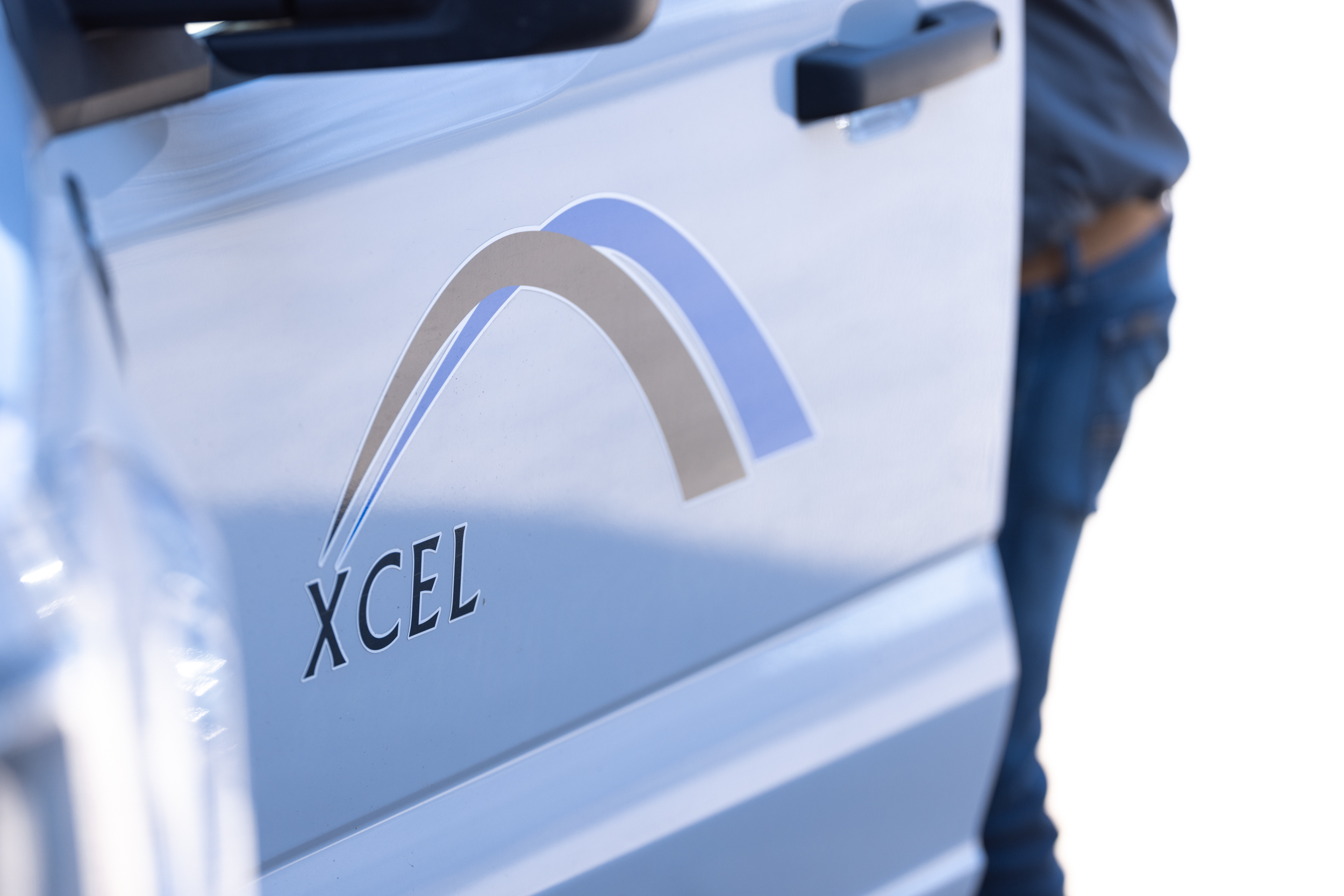
Phased Array Ultrasonic Testing (PAUT)

With universal applications, phased array ultrasonic testing (PAUT) is key for detecting and evaluating damages in welds, forgings, pipelines, and more. 
→ Read More

Entrapped Water pH

Entrapped water pH testing measures the acidity or alkalinity of water trapped beneath disbonded pipeline coatings, providing critical insight into corrosion potential. Because both pH and alkalinity influence corrosivity, this method helps assess the risk of accelerated metal degradation and supports effective pipeline integrity management.
Read More
Water with a pH below 6.5 is typically acidic and more corrosive, often containing elevated levels of metals that can contribute to early pipeline damage. Measuring entrapped water conditions allows operators to take proactive steps to mitigate corrosion and maintain system reliability.

Applications:

  • Assessment of corrosivity in water trapped beneath disbonded coatings
  • Support for pipeline direct assessment and corrosion analysis
  • Identification of conditions that may accelerate metal degradation

Method:

  • pH measurement using litmus strips inserted into entrapped water
  • Evaluation of both pH and alkalinity to determine corrosion risk

Benefits:

  • Helps identify corrosive environments before damage occurs
  • Provides actionable data for corrosion mitigation strategies
  • Supports compliance with ASME Code requirements
  • Enhances long-term pipeline integrity and reliability
Read Less

TIME OF FLIGHT DIFFRACTION

TOFD offers a reliable and efficient method of weld testing and defect sizing. A valuable complement to PAUT, TOFD is ideal for both pipeline integrity inspections and infrastructure inspections, delivering high accuracy and repeatability in assessing material and weld conditions.

→ Read More

Eddy Current Array Testing

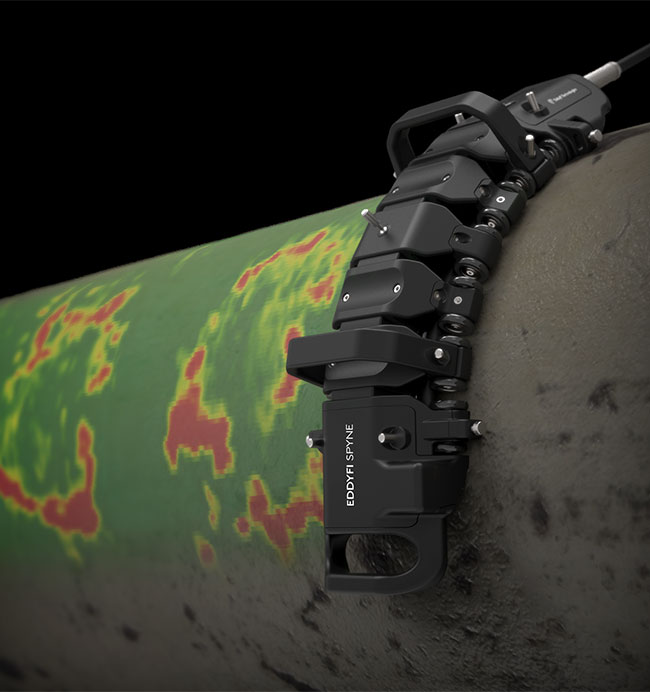
Spyne (ECA) Screening for Cracks, Pitting, and Hard Spots in carbon steel / Sharck (TECA) Crack Sizing in carbon steel / I-Flex (ECA) screening for cracks and volumetric metal loss in Carbon steel or Stainless Steel materials.

Visual Testing (VT)

Visual Testing (VT) is a critical first step in direct assessment programs, helping identify conditions that require further investigation. As a foundational NDT method, VT enables early detection of potential issues and supports comprehensive inspection strategies across pipelines and facilities.
Read More
XCEL’s experienced personnel perform detailed visual inspections during direct assessment activities, delivering reliable evaluations that support pipeline integrity, regulatory compliance, and overall asset performance.

Capabilities:

  • Initial identification of surface conditions and visible anomalies
  • Support for direct assessment and pipeline integrity programs
  • Evaluation of pipelines and facilities for corrosion, damage, and defects
  • Inspection aligned with ASME Code requirements
  • Integration with broader NDT and inspection services
Read Less

Soil pH

Soil resistivity measures the conductivity of soil surrounding a pipeline and plays a cSoil pH measures the acidity or alkalinity of the soil surrounding a pipeline and is a key factor in assessing corrosion risk.
Read More

A neutral pH near 7 is ideal, while acidic conditions (pH ≤ 5) significantly increase the likelihood of corrosion and premature pitting in metallic structures. Environmental factors such as moisture, mineral content, and climate can all influence soil pH, making it a critical parameter in pipeline direct assessment.

Field measurements are conducted using specialized probes to gather accurate data, supporting evaluation of cathodic protection (CP) effectiveness and overall corrosion control strategies.

Applications:

  • Key input for pipeline direct assessment programs
  • Evaluation of soil conditions impacting corrosion risk
  • Support for cathodic protection (CP) system adjustments
  • Integration with soil resistivity data for comprehensive analysis

Benefits:

  • Identifies environments with high corrosion potential
  • Supports proactive corrosion mitigation and planning
  • Provides data for optimizing CP system performance
  • Enhances long-term pipeline integrity and reliability
Read Less

Pipe-to-Soil Potential

Pipe-to-soil potential measurements are a critical method for evaluating the performance of cathodic protection (CP) systems and identifying anomalous conditions along underground pipelines. By measuring electrical potential differences, this technique helps determine how effectively corrosion is being mitigated through impressed current or sacrificial anode systems.
Read More
As part of NDT and inspection services, pipe-to-soil potential testing supports pipeline integrity, regulatory compliance, and long-term corrosion control across critical infrastructure.

Applications:

  • Measurement of cathodic protection (CP) potential across pipeline systems
  • Detection of CP system deficiencies and areas requiring adjustment

Advantages:

  • Proven method for evaluating cathodic protection effectiveness
  • Helps identify areas susceptible to corrosion based on current flow
  • Provides actionable data for targeted maintenance and mitigation
.
Read Less

Why choose XCEL?

  • Trusted Expertise: Our team includes top-tier professionals certified in NDT auditing, NDT procedure development, and advanced NDT methods like phased array ultrasonics and coating inspections.
  • Comprehensive Solutions: From facility shutdown support to pipe field services, we provide comprehensive solutions to address your unique operational challenges.
  • Cutting-Edge Technology: We offer the most advanced tools and techniques, including digital radiography, real-time radiography, and guided wave ultrasonics, backed by decades of industry experience.
  • Efficiency and Accuracy: Our advanced methods reduce inspection time, increase reliability, and seamlessly integrate with your compliance and maintenance schedules.

Industries We Support
Get a quote today

Whether you're evaluating asset condition, planning maintenance, or ensuring compliance, XCEL delivers the advanced inspection solutions you need.

Contact XCEL today to discuss your project.

XCEL
Privacy Overview

This website uses cookies so that we can provide you with the best user experience possible. Cookie information is stored in your browser and performs functions such as recognising you when you return to our website and helping our team to understand which sections of the website you find most interesting and useful.