Comprehensive, Proven Inspection Methods

We deliver reliable conventional nondestructive testing (NDT) services that provide critical data for assessing structural integrity, ensuring compliance, and supporting safe, efficient operations.

From ultrasonic thickness testing and radiography to magnetic particle, liquid penetrant, and eddy current methods, our team applies proven inspection techniques across a wide range of assets and industries. These services form the foundation of effective asset integrity programs—delivering accurate results without disrupting operations.

Conventional Nondestructive Testing (NDT) remains a critical tool for gathering data, assessing structural integrity, ensuring compliance, and verifying engineering designs—without compromising asset functionality. XCEL delivers accurate, reliable conventional NDT services across a wide range of industries and applications.
Ultrasonic Thickness Testing (UTT)

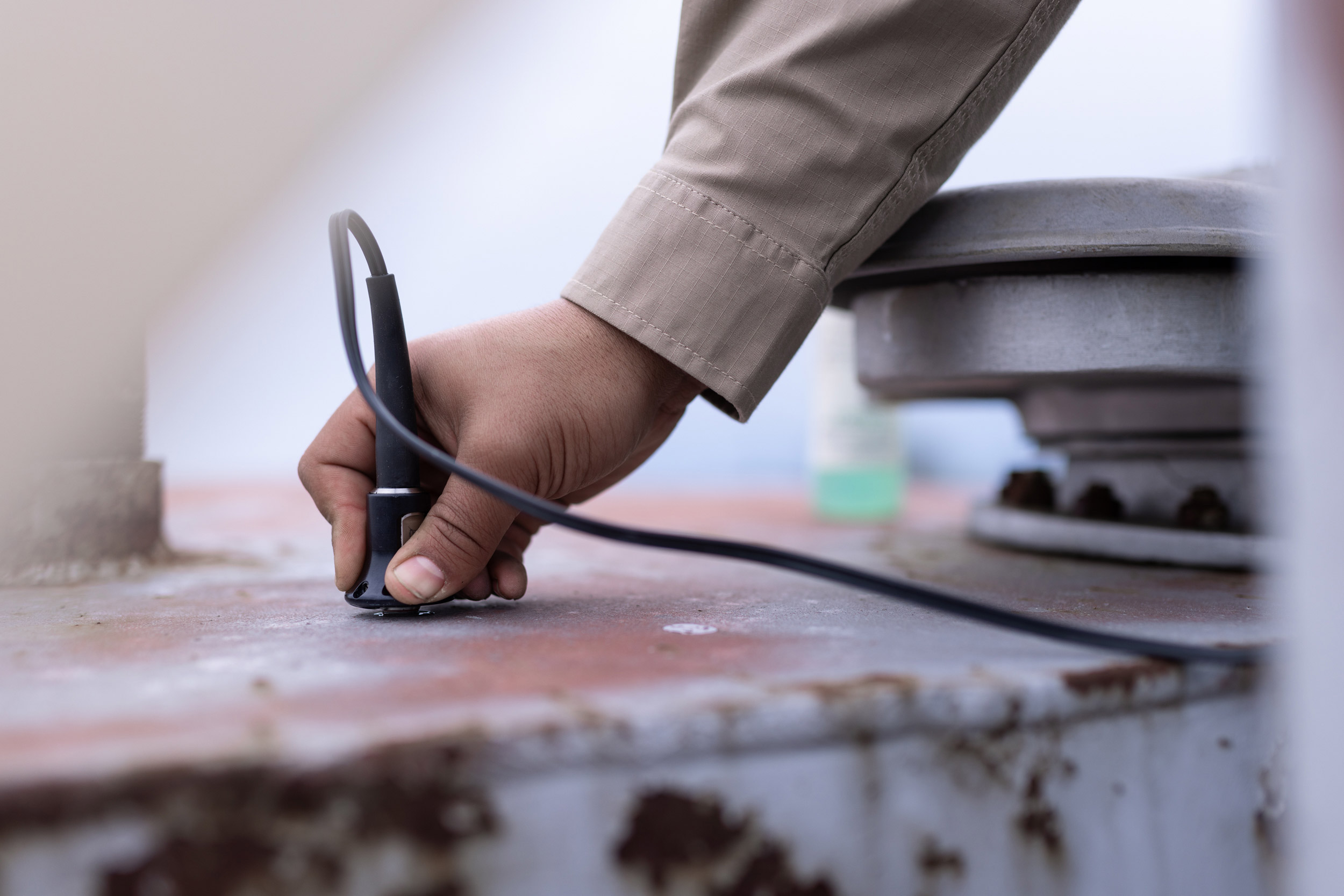
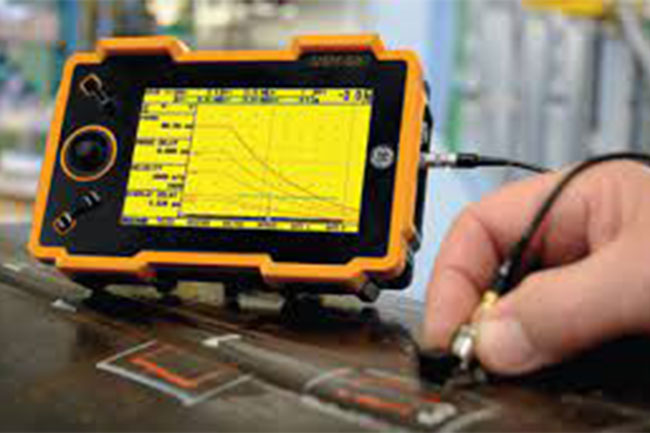
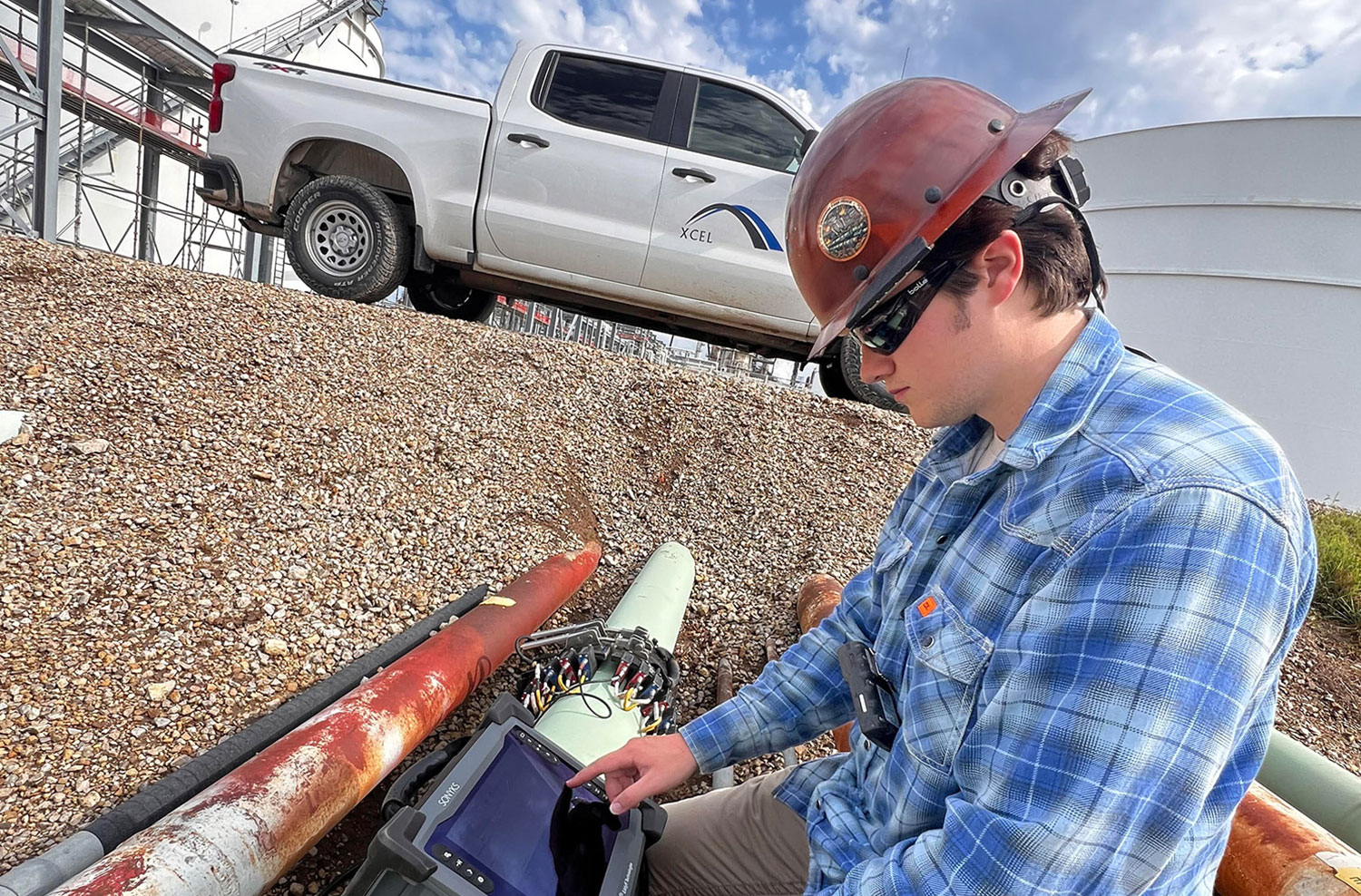
Ultrasonic Thickness Testing (UTT) provides precise measurements of material thickness, helping determine the condition and remaining life of piping, tanks, and vessels. Using high-frequency sound energy, this method delivers highly accurate results in a variety of environments.
Read More

Key Advantages:

  • Requires access to only one side of the test surface
  • Highly accurate measurements when performed by qualified technicians
  • No inherent hazards associated with the method
Read Less

Visual Testing (VT)

Visual Testing (VT) is the foundation of nondestructive testing, encompassing direct, remote, and translucent inspection methods to identify surface and structural anomalies. Using tools such as video probes, camera crawlers, and drones, XCEL’s certified professionals perform detailed inspections to detect corrosion, damage, and other signs of integrity loss across critical assets.
Read More
Direct visual examination remains one of the most effective and cost-efficient inspection methods when applied correctly, while remote visual technologies enable access to confined or otherwise inaccessible areas. Translucent viewing techniques are also used to evaluate non-metallic materials such as fiber reinforced plastic (FRP) tanks and piping.XCEL’s inspection team includes AWS-Certified Welding Inspectors (CWI), Senior CWI, VT Level II, and ASNT VT Level III professionals, ensuring qualified evaluation across a wide range of applications.

VT Applications Include:

  • AWS-CWI/SCWI – Welder qualification and weld inspection
  • Mechanical Measurement – Evaluation of surface conditions and dimensions using precision instruments
  • Condition Assessment – Detection of corrosion, distortion, damage, and other integrity concerns
  • Remote Visual Inspection – Examination of inaccessible areas using video probes, zoom cameras, crawlers, and drones
  • Translucent Viewing – Inspection of FRP and other non-metallic materials
Read Less

Radiographic Testing (RT)

Radiographic Testing (RT) uses ionizing radiation—X-rays or gamma rays—to inspect welds, castings, and pressure vessels. This method is highly effective for detecting subsurface defects, corrosion, and structural discontinuities, while also creating a permanent record for evaluation and documentation.
Read More
RT has long been a trusted method for determining weld integrity across pipelines, piping systems, tanks, and structural components. The selection of radiation source depends on material type, thickness, safety considerations, and inspection requirements.

Applications:

  • Examination of welds, castings, forgings, and composites
  • Corrosion detection and wall thickness measurement (profile radiography)

Advantages:

  • Applicable across a wide range of material types
  • Sensitive to changes in thickness from corrosion, erosion, voids, and density variations
  • Detects both surface and subsurface defects
  • Creates a permanent record of inspection

Limitations:

  • Requires strict safety precautions due to radiation use
  • Access to both sides of the test specimen is required
  • Orientation of the test piece and flaw positioning are critical
  • Multiple steps required to produce a final, interpretable radiograph
Read Less

Magnetic Particle Testing (MT)

Magnetic Particle Testing (MT) is a fast, cost-effective method for detecting surface and near-surface flaws in ferromagnetic materials. Commonly used on welds, pipelines, and pressure vessels, MT helps identify critical discontinuities such as cracks, seams, and laps across industries like refining and power generation.
Read More
This method works by inducing a magnetic field into the test object. Discontinuities disrupt the magnetic field, creating leakage fields that attract magnetic particles and form visible indications on the surface. MT can be performed using dry particles or wet suspension techniques, depending on the application and inspection requirements.

Magnetic Particle Methods:

  • Dry Powder – Iron oxide particles coated with dye for contrast on clean, dry surfaces
  • Black on White – Black particles applied over a white contrast background to enhance visibility
  • Fluorescent – Fluorescent particles used under UV light to increase sensitivity and detectability

Advantages:

  • Quick inspection with minimal surface preparation compared to PT
  • Detects surface and near-surface flaws
  • Produces visible indications directly on the surface
  • Portable with relatively low equipment cost

Limitations:

  • Limited to ferromagnetic materials such as carbon steel
  • Detects only surface and near-surface discontinuities
  • Proper alignment of magnetic field and flaw is critical
Read Less

Ultrasonic Testing (UT)

Ultrasonic Testing (UT) remains a cornerstone of NDT and inspection services, providing reliable flaw detection across a wide range of materials and components. Using proven techniques prescribed by industry codes and standards—including ASME—UT delivers accurate evaluation of material integrity without compromising asset functionality.
Read More
Prior to advanced methods like PAUT and TOFD, ultrasonic testing relied on traditional variables such as contact or immersion techniques, pulse-echo or through-transmission methods, and straight beam or angle beam applications. These techniques are still widely used and tailored to meet specific inspection requirements based on material, flaw orientation, and applicable standards.

Techniques:

  • Angle Beam Examinations – Commonly used for welds, tubular products, and forgings in accordance with industry standards
  • Straight Beam Examinations – Ideal for detecting laminations in plates and inspecting castings, forgings, and shafts

Capabilities:

  • Detection of internal flaws based on material configuration and flaw orientation
  • Techniques tailored to meet code, standard, and specification requirements
  • Support for compliance with industry standards, including ASME
  • Application across piping, vessels, and structural components
Read Less

Leak Testing (LT)

Leak Testing (LT) verifies the integrity of pressure boundaries in tanks, valves, and other pressure-retaining equipment, helping ensure safety, reliability, and compliance with industry standards. XCEL applies a range of proven techniques to detect leaks and confirm system integrity across critical assets.
Read More

Methods:

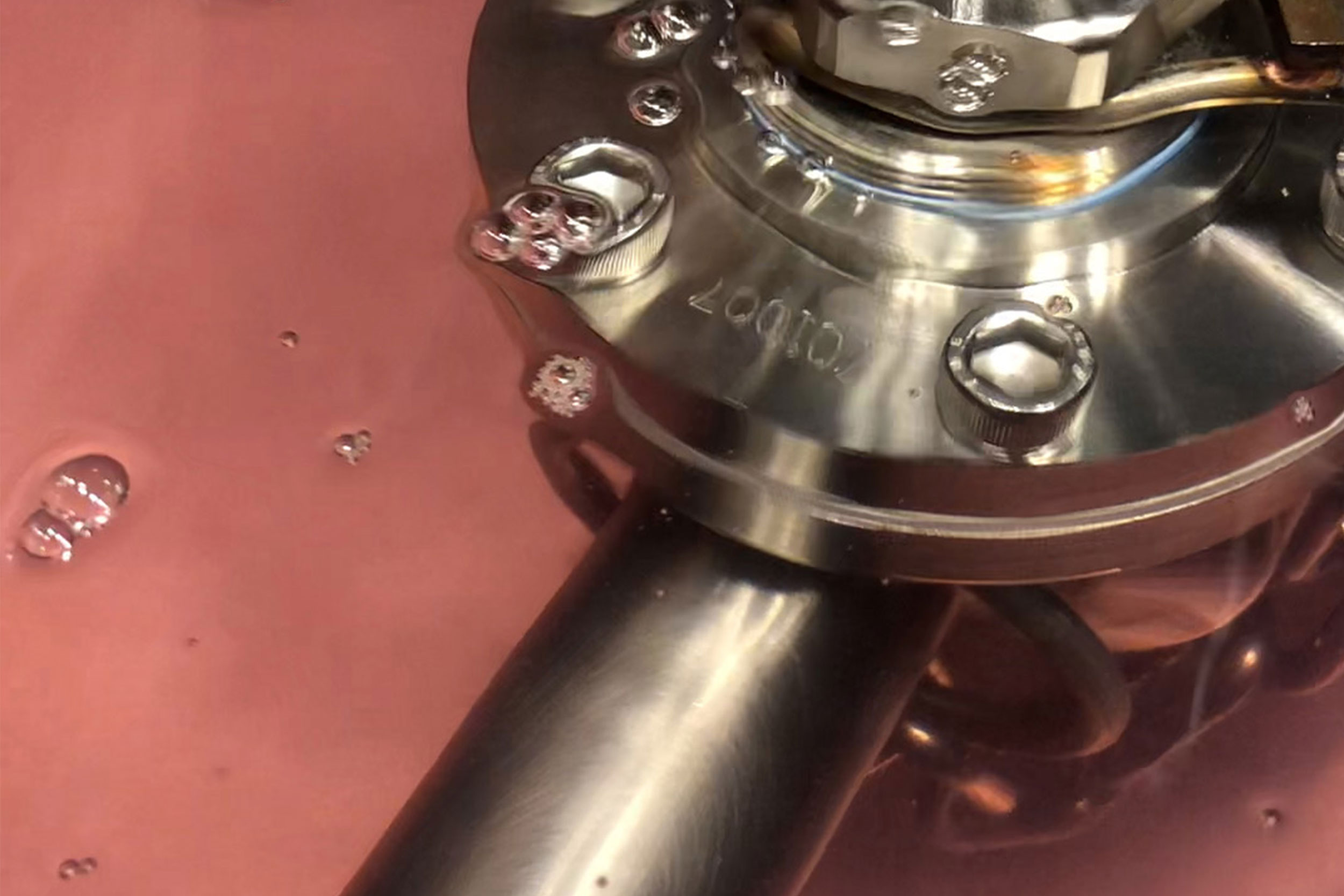
  • Bubble Leak Testing (BLT) – Vacuum box testing for tank floor welds
  • Direct Pressure Bubble Testing – Inspection of valves, re-pads, and pressure-retaining components
  • Pressure Change Testing – Monitoring pressure over time to identify leaks
  • Selection of appropriate methods based on application, sensitivity, and system requirements

Capabilities:

  • Detection of leaks in pressure-retaining systems and components
  • Support for compliance with industry codes and standards
  • Advanced methods available for increased sensitivity
  • ASNT Level III certified Leak Testing personnel
Read Less

Liquid Penetrant Testing (PT)

Liquid Penetrant Testing (PT) is a fast, reliable method for detecting surface-breaking discontinuities across a wide range of materials, including metals, ceramics, and composites. Commonly used in mechanical integrity inspections and pipe field services, PT provides clear visual indications of defects such as cracks, porosity, and lack of fusion.
Read More
The process relies on capillary action, where liquid penetrant is drawn into surface defects and then revealed using a developer. Proper surface preparation, application, and inspection techniques are critical to ensuring accurate and reliable results.

Basic Steps:

  • Precleaning – Removal of dirt, oil, paint, and contaminants to ensure proper penetrant coverage
  • Penetrant Application – Even application of visible or fluorescent penetrant with proper dwell time
  • Excess Penetrant Removal – Removal using water wash or solvent, depending on penetrant type
  • Developer Application – Application of developer to draw penetrant from discontinuities
  • Inspection – Visual or UV light examination to identify indications
  • Post Cleaning – Cleaning of the surface as required for service conditions

Advantages:

  • Rapid inspection of large surface areas at low cost
  • Effective on complex geometries
  • Produces visible surface indications of defects
  • Applicable to non-ferromagnetic materials

Limitations:

  • Detects only surface-breaking defects
  • Surface preparation is critical to avoid masking defects
  • Requires smooth, nonporous surfaces
Read Less

Why choose XCEL?

  • Comprehensive advanced and conventional NDT capabilities
  • Experienced Level III oversight and technical expertise
  • Data-driven inspections with clear, actionable reporting
  • Scalable solutions for maintenance, outages, and capital projects
  • Strong alignment with industry codes and standards, including ASME and ABS

Industries We Support
Get Reliable Results from Advanced NDT Experts

Whether you're evaluating asset condition, planning maintenance, or ensuring compliance, XCEL delivers the advanced inspection solutions you need.

Contact XCEL today to discuss your project.

XCEL
Privacy Overview

This website uses cookies so that we can provide you with the best user experience possible. Cookie information is stored in your browser and performs functions such as recognising you when you return to our website and helping our team to understand which sections of the website you find most interesting and useful.