Advanced Imaging for Safe, Efficient Asset Assessment

We understand the challenges of inspecting complex and hard-to-reach assets—and deliver advanced remote visual inspection (RVI) solutions that provide accurate data without disrupting operations.

XCEL provides a premier turn-key Remote Visual Inspection (RVI) solution, deploying advanced imaging technology and expert analysis for comprehensive internal asset assessments. XCEL has assembled a team of Remote Visual Inspection (RVI) professionals with unparalleled industry experience and expertise. Remote Visual Inspection (RVI) uses borescopes, video probes, tube cameras, robotic crawlers, pan tilt zoom (PTZ) cameras, drones and submersibles to provide detailed assessments of critical plant systems, components, and assets. Expertly executed, RVI contributes to plant operations, maintenance, and inspection tasks by providing safe, efficient, and effective data collection.
Robotic Crawlers
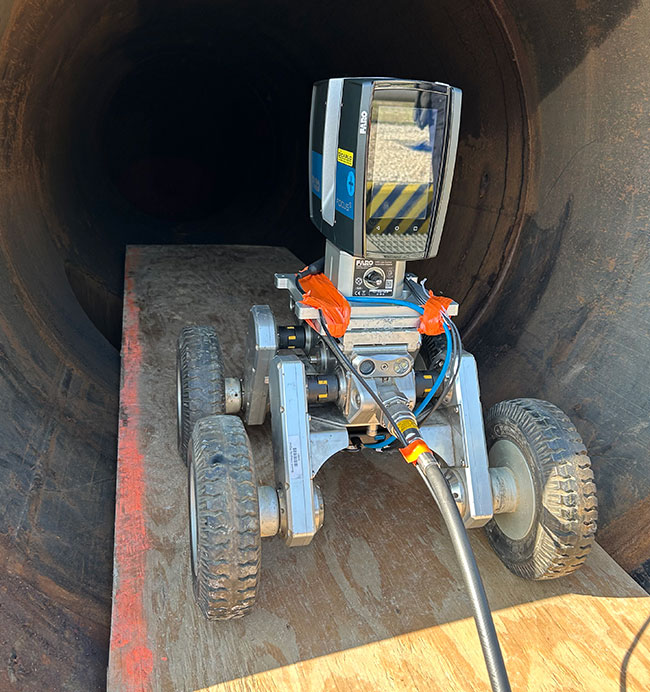
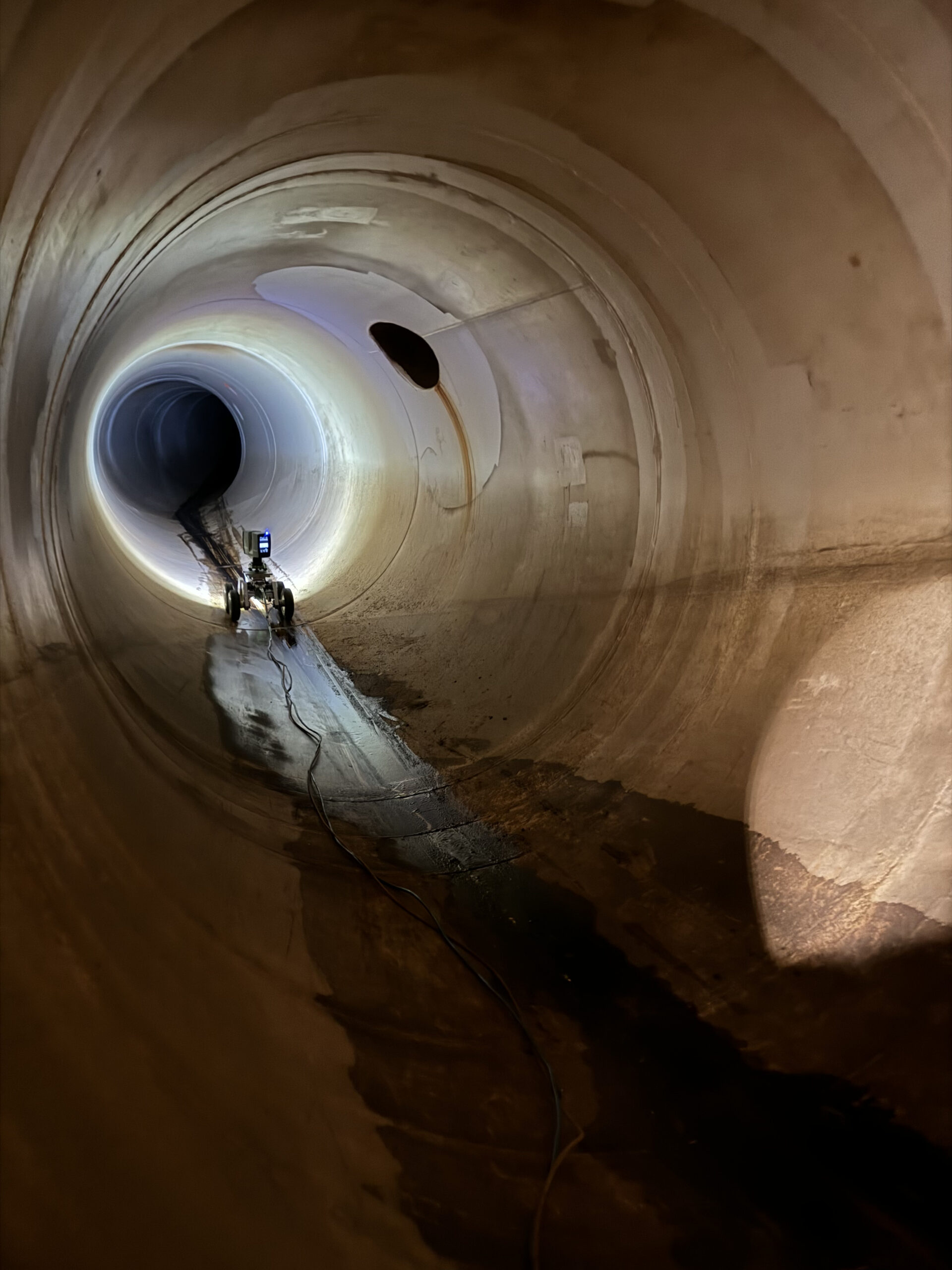
Equipped with high-resolution cameras, these crawlers navigate complex piping systems from 4 to 96 inches in diameter. Ideal for service water, steam piping, culverts, and horizontal vessels.

Video Probes

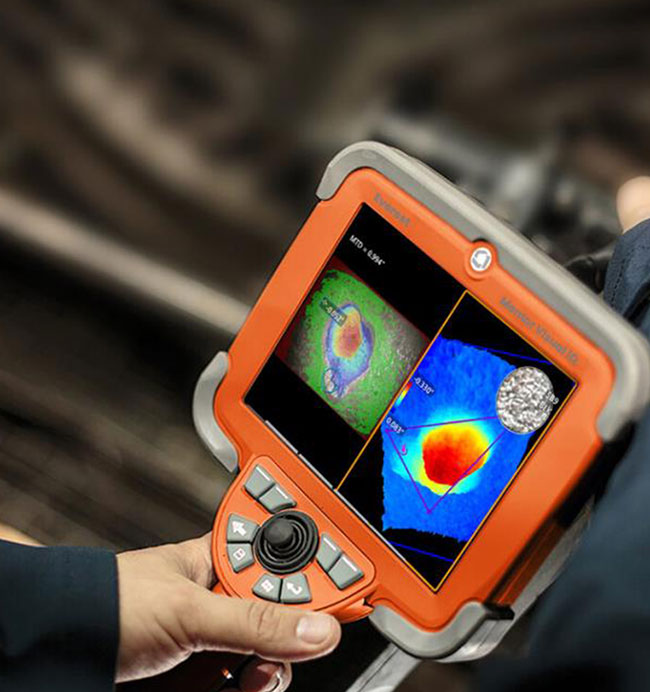
These flexible probes capture detailed images, videos, and 3D measurements in hard-to-reach areas. Common uses include turbines, generators, heat exchangers, valves, and motors.

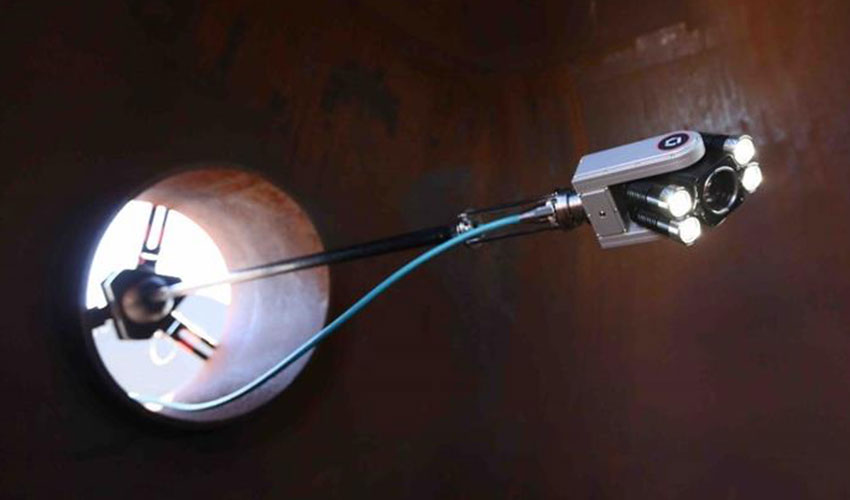
Tube Cameras

Deployed on long cables, these cameras are perfect for inspecting boiler tubes, condensers, and small-diameter piping systems.

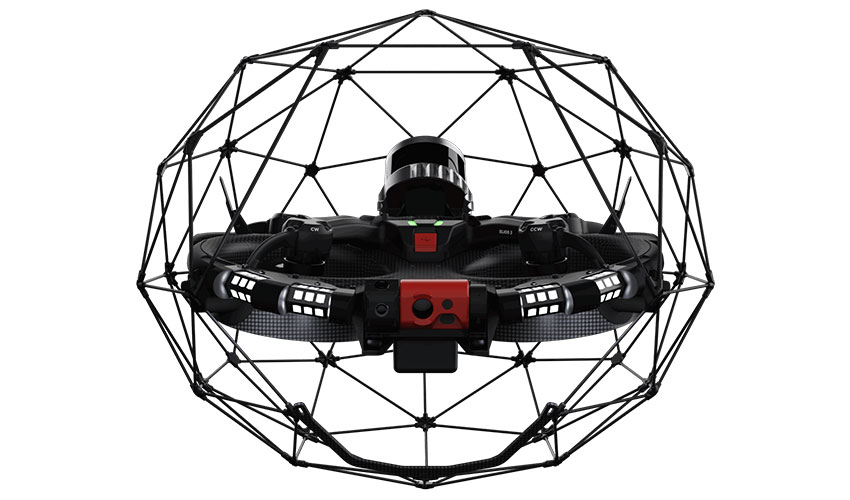
Drones (UAS)

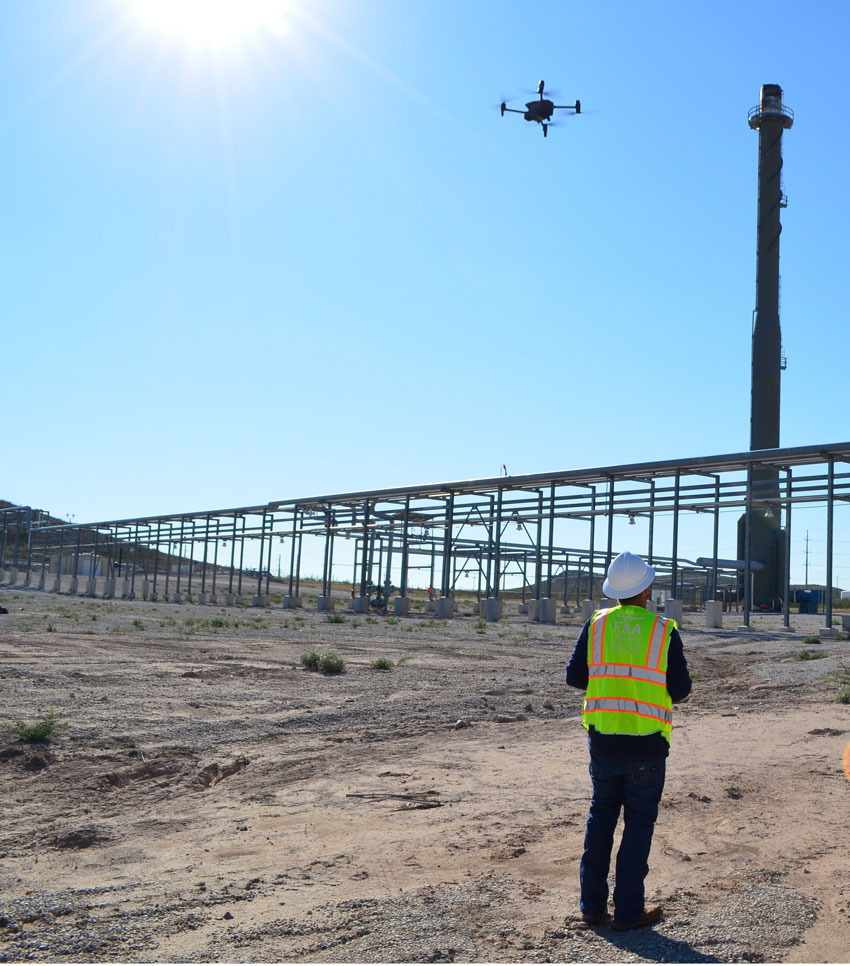
Flown in GPS-denied environments, drones inspect large structures such as boilers, tanks, and large-diameter piping systems without requiring human entry.

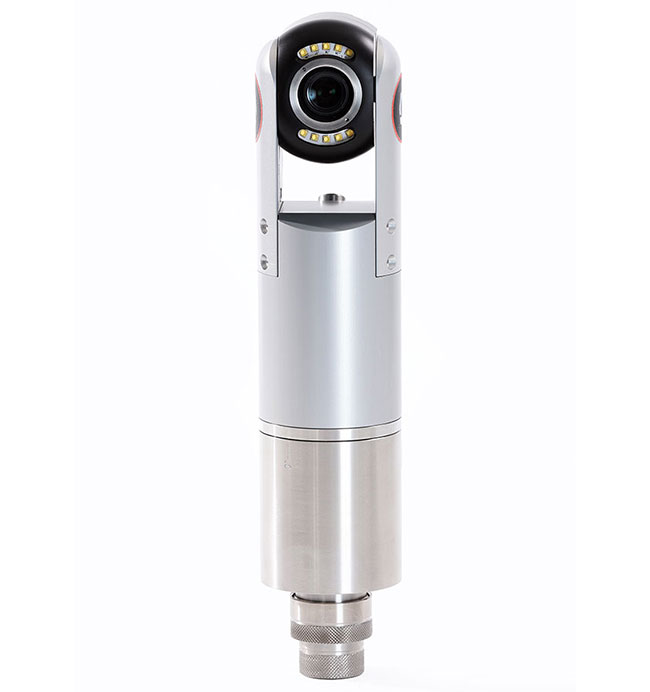
Pan-Tilt-Zoom (PTZ) Cameras

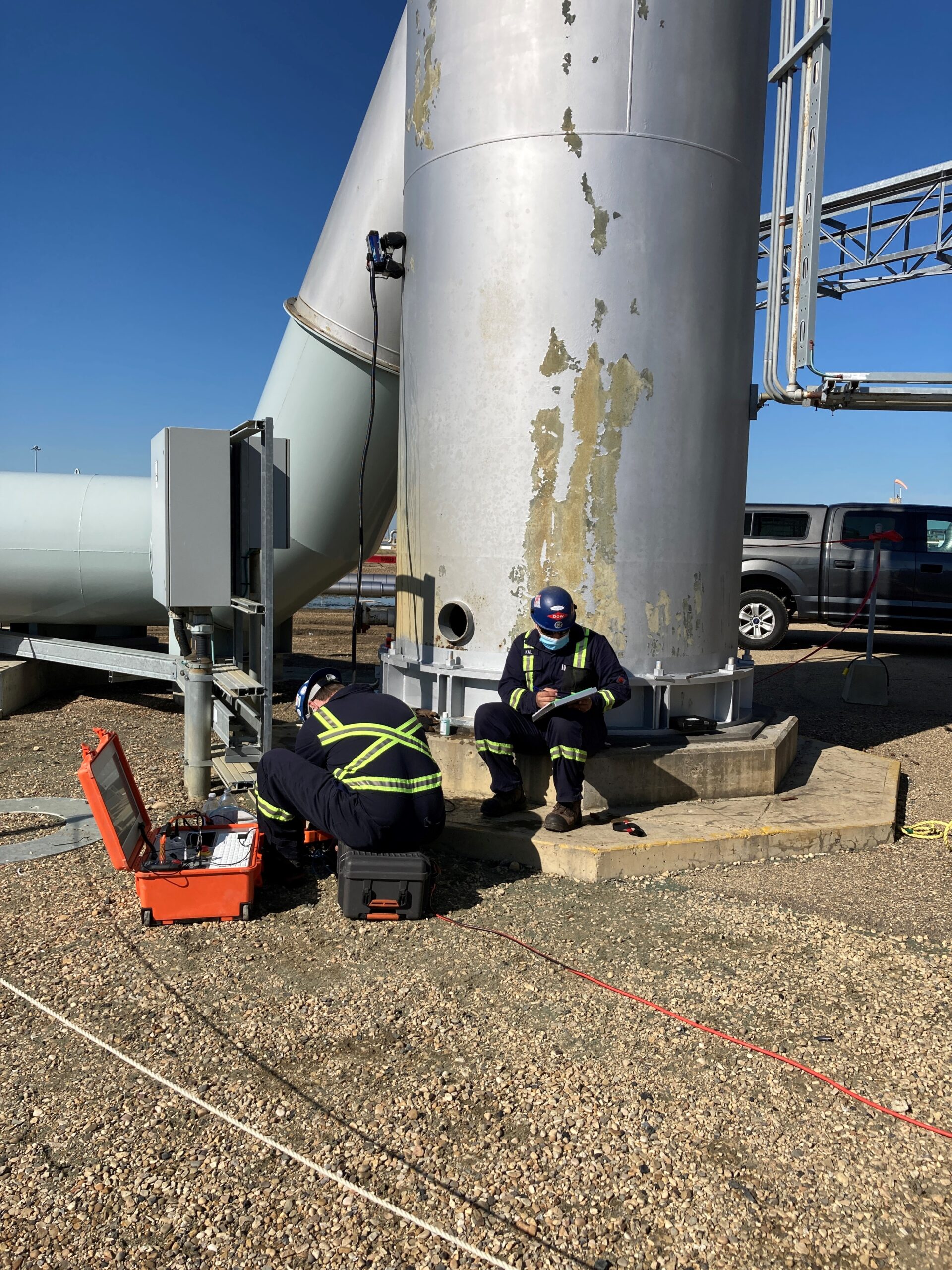
Our inspectors can assess critical assets like tanks, vessels, stacks, and reactors from up to 500 feet away, avoiding confined space entry.

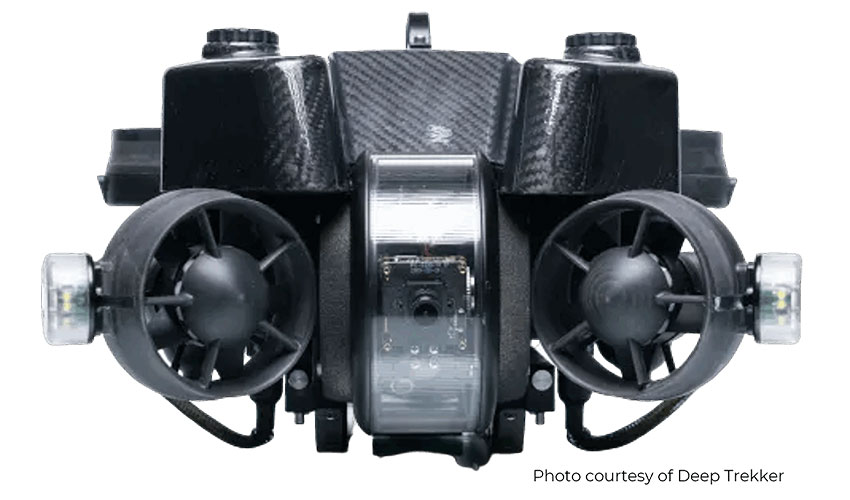
Submersibles (ROV)

Deployed in flooded assets like tanks and large piping, ROVs reduce or eliminate the need for diving operations.

Retrieval Tools

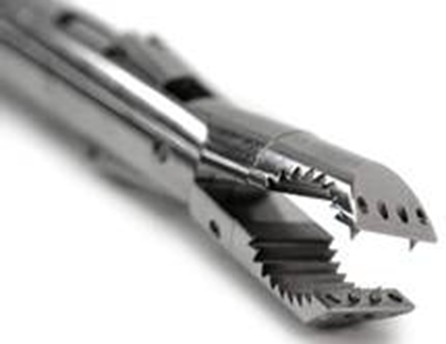
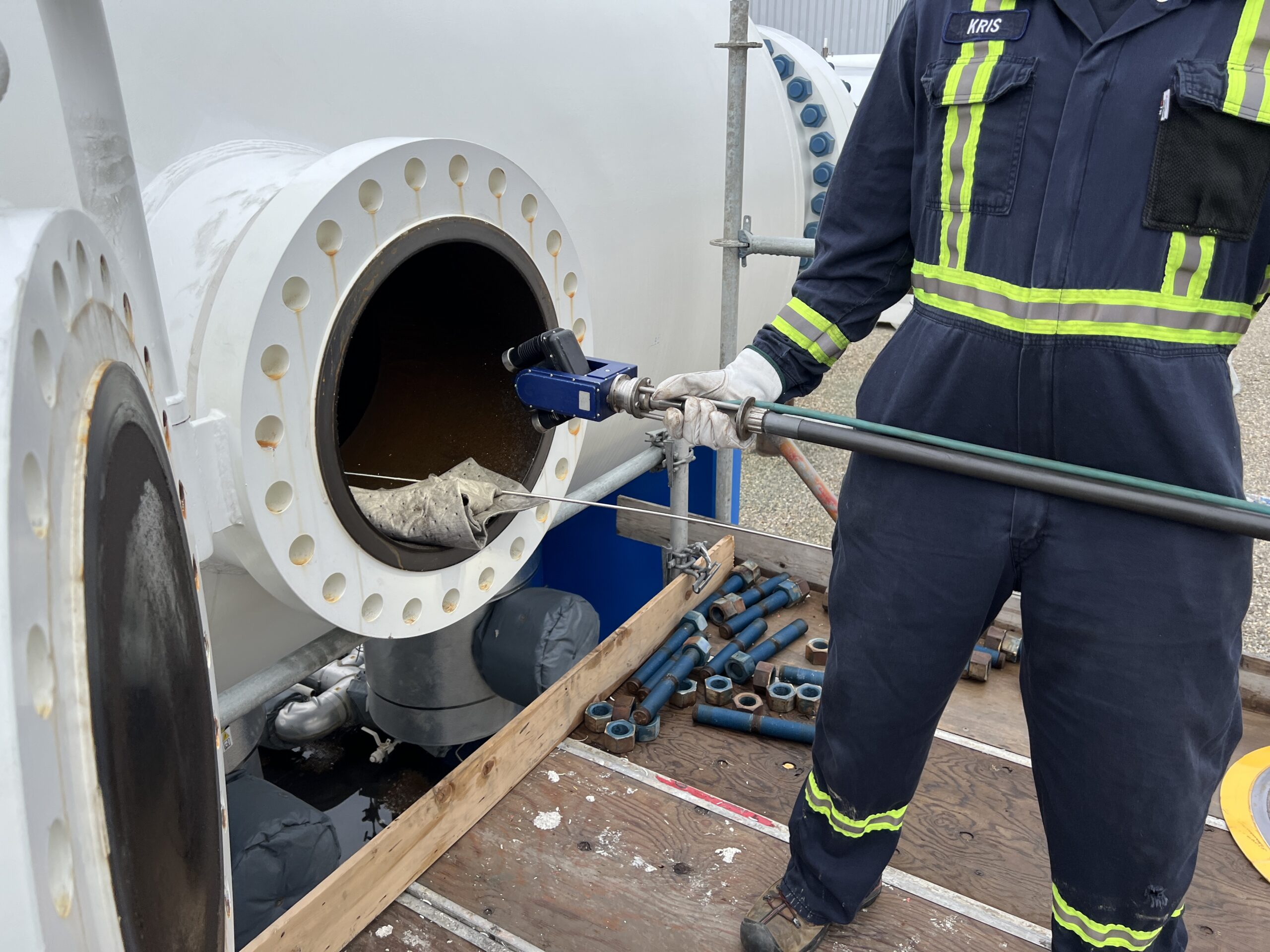
XCEL executes Foreign Object Search and Retrieval (FOSAR) or Foreign Material Extraction (FME) services to prevent Foreign Material Damage (FOD) to sensitive systems and documents asset cleanliness.
Read More

Loose Part Retrieval Know-How Matters

Depending on your industry and/or your military experience FME, FOD and FOSAR can have varying meanings. However you spell it or define it, XCEL is here to help.

Foreign Material Extraction (FME) is defined as an effort to remove non-native material from an asset. Conversely, Foreign Material Exclusion (FME) generally refers to a system of measures to protect sensitive industry components, systems and equipment from foreign material.

It is often supported by Foreign Material Exclusion Zones. Establishing an FME zone is the process of creating boundaries and work processes to protect exposed systems during repair or maintenance evolutions. The FME zone limits access to the controlled area to necessary personnel, often via a qualified FME zone monitor.

Tools that are tied off via lanyard are permitted only after being logged into the area and loose items or items that may become loose: hard hats, buttons, etc., are secured or excluded from entry.

Foreign Object Damage (FOD) is typically defined as damage incurred as a result of foreign material introduced to sensitive systems or components. Depending on your industry or branch of the military, FOD may also be defined as Foreign Object Debris. In this sense, it refers exclusively to the foreign material. In many cases, the terms and acronyms are used synonymously throughout a myriad of industries and applications sensitive to foreign material.

Sources of Foreign Object Damage may be further subclassified as:

  • Domestic: Items germane to the system introduced via upstream failures such as detached strainers, nozzles, valve discs, etc. Depending on size, severity, system significance, plant operator experience, and instrumentation this may or may not be immediately noticeable.
  • Internal: Component specific failure i.e. impeller material, turbine or compressor blade migration.
  • External: Material foreign to both system and components i.e. tools, welding rods, personal items, consumables.

Foreign Object Debris, regardless of source, may cause inefficient plant operations, plant trips or catastrophic damage. Common industry ailments include plant water chemistry anomalies, heat exchanger efficiency loss, poor boiler operation and extensive damage to rotating equipment. The cost implications are extensive from both a lost revenue and emergent repair perspectives. Additional costs may be realized via contractual, safety, environmental and regulatory obligations.

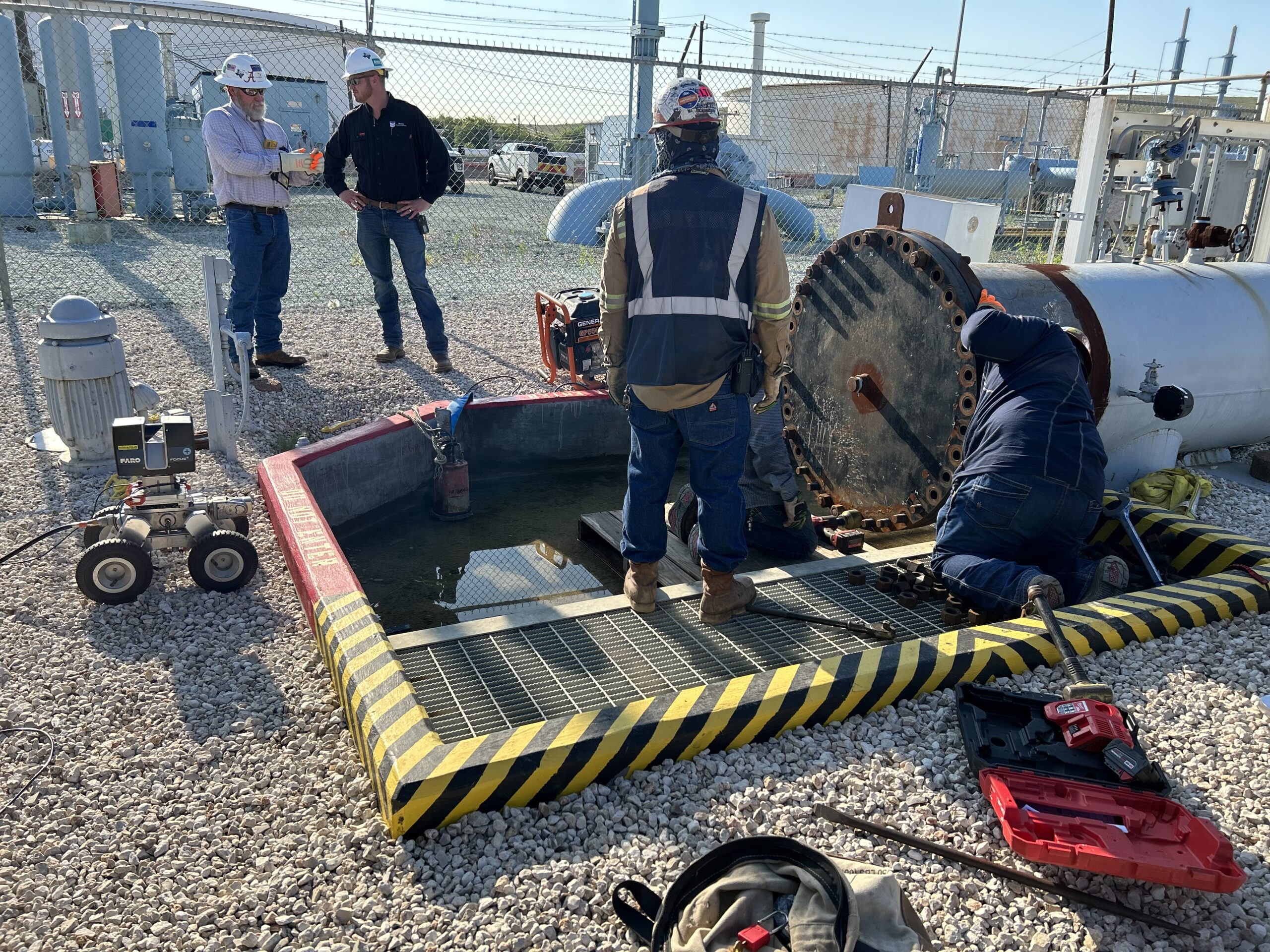
FME zones, while extremely effective, are not an all-encompassing solution due to aforementioned domestic and internal sources. A very effective means of protecting sensitive systems and components after a construction, repair or maintenance activity is executing an effective Foreign Object Search and Retrieval (FOSAR) effort. FOSAR involves the use of robotic cameras and retrieval tools to locate, identify and remove foreign material with minimal system access.

FOSAR not only addresses the external items introduced to the system but also domestic and internal items. Prior to closing the system XCEL’s FOSAR technicians inspect all accessible areas to record an as-left condition. This becomes a powerful testament to the system cleanliness, surface appearance, as-left status and general condition of the unit.

Effectively and efficiently performing this work requires industry-specific experience. Take a look below to see the industries and applications XCEL has previously supported.

Read Less

Robotic Integrated Services

Advanced robotic solutions for inspection, data capture, and asset integrity in confined and hard-to-access environments
Read More
  • Robotic Video Probe Inspections
    High-resolution visual inspections in confined or hazardous areas
  • Robotic Sphere Inspections
    Internal inspection of vessels and spherical assets
  • Robotic Internal Inspection Platform
    Versatile robotic systems for complex internal asset evaluation
  • Robotic 3D Structured Light Inspections
    Precision 3D scanning for accurate surface mapping and defect analysis
  • Robotic TECA Inspections
    Advanced corrosion and flaw detection using robotic-assisted TECA technology
  • Robotic Cleaning & AUT Mapping
    Integrated cleaning and automated ultrasonic testing for comprehensive asset assessment
Read Less

Development Projects

Development projects focused on advancing NDE technologies, remote visual inspection, and custom-engineered solutions to improve detection accuracy, efficiency, and asset reliability across industries.
Read More
  • DNV Project – PAUT, TFM/FMC
  • PRCI Projects – NDE, SCC, Laser
  • EPRI Remote Detection & Sizing
  • Creaform HandyScan Adoption
  • Eddyfi Spyne & Sharck Adoption
  • Material Verification Technologies
  • Wind Blade Ultrasonic Solutions
  • Ring Gear PAUT Custom Patent
  • Dove Tail ECA Custom Patent
  • BIKE & TECA Weld Test Solution
Read Less

Why choose XCEL?

  • Safe: RVI is minimally intrusive, often reducing or eliminating Confined Space Entries (CSE). Furthermore, RVI can reduce or eliminate other high-risk activities such as scaffolding erection, working at heights and simultaneous operation (SIMOPS).
  • Efficient: RVI often reduces the need for component disassembly during support inspection activities. The work scope reduction helps to streamline unit outage or turnaround timetables and schedules. Additionally, the inspection data is immediately shareable eliminating bottlenecks and empowering timely decision making.
  • Effective: RVI enables high quality data capture — clear and concise with discernable locations and orientation. XCEL NDT’s experienced team expertly uses the proper equipment for each application and inspection purpose, yielding rapid production rates and extensive quality reporting.

Industries We Support

Industry ExperienceApplication Experience
Fossil Power GenerationSteam Turbine Cleanout/Closeout
Nuclear Power GenerationGas Turbines
Hydro & Pump Storage Power GenerationPrimary & Secondary Nuclear Loop
Wind Power GenerationBoilers, HRSGs
Upstream Oil & Gas- OffshoreCondensers, Heat Exchangers
Midstream Oil & GasValves, Pumps
Downstream Oil & GasGenerators
LNG/FLNGGear Boxes
PetrochemicalWind Turbines Blades
PharmaceuticalPropulsion Reduction Gears
Pulp & PaperTanks, Vessels, Voids
ManufacturingIso Phase Bus Ducts
MarinePiping, Tubing, Ducting Systems

Our Experience

With a vast inventory of advanced RVI systems and broad industry expertise, the XCEL’s team can support your most challenging inspection objectives.

Contact XCEL today to discuss your project.

XCEL
Privacy Overview

This website uses cookies so that we can provide you with the best user experience possible. Cookie information is stored in your browser and performs functions such as recognising you when you return to our website and helping our team to understand which sections of the website you find most interesting and useful.